
Early-Stage Investigators
Developing new research and clinical faculty with a focus on cancer research is essential to growing research capacity and clinical care to improve cancer outcomes in our communities and the American population at large.
In furtherance of this, the Administrative Core (AC) will identify and recruit promising Early-Stage Investigators (ESIs) to the Partnership, foster their development, and oversee their progress. The AC will collaborate with the Research Education Core (REC) to provide career development resources, mentoring, and sponsorship tailored to each ESI. The overall goals are to promote the career advancement of junior faculty and to attract young investigators to focus on cancer research.
Current ESIs
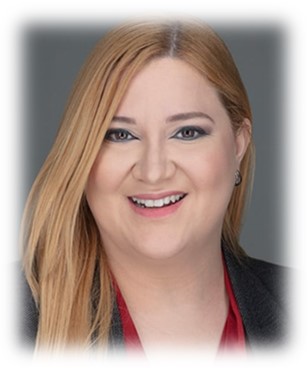
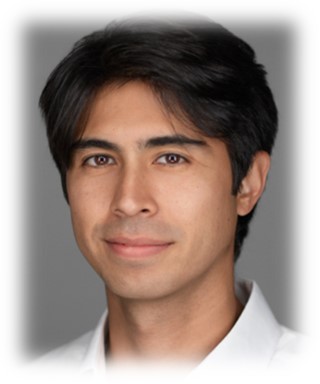
Christopher Medina, PhD (MCC)
My research aims to understand how the body’s immune system, particularly T cells, can be better harnessed to fight cancer. Tumors can weaken immune responses by altering the metabolic environment around T cells, using small molecules to disrupt their function and persistence. My lab studies how these metabolic signals, including changes in cell membrane lipids, affect T cell behavior and contribute to immune exhaustion. By integrating hypothesis-driven research with big data analyses, innovative laboratory models, and patient-derived samples, we aim to identify new ways to restore T cell activity. Ultimately, our goal is to translate these discoveries into more effective and durable cancer immunotherapies. Visit our website.
José Oliveras, MD, MPH (PHSU)
I am a physician and public health researcher focused on advancing cancer research through biobanking, epidemiology, and data-driven approaches. My work centers on leveraging clinical data, biospecimens, and population-level information to better understand cancer disparities and improve research infrastructure for translational oncology. I currently serve as an Assistant Professor of Public Health at Ponce Health Sciences University and as Co-leader of the Puerto Rico BioBank, where I collaborate with multidisciplinary teams to facilitate biospecimen collection, data integration, and molecular research initiatives.
My research interests include cancer epidemiology, cancer health disparities, and the integration of molecular and clinical data to understand disease patterns and outcomes. I have contributed to projects examining breast and colorectal cancer disparities and have collaborated with national and international research teams to advance studies in cancer genomics and population health. With training in medicine and public health, I bring a translational perspective that bridges clinical practice, population health, and data science. I have experience in biostatistics, epidemiologic analysis, health informatics, and data visualization, and regularly work with large health datasets to generate insights that support research and public health decision-making.
Beyond research, I am committed to training the next generation of scientists and clinicians, mentoring medical and public health students and contributing to academic programs in public health and biomedical research. My long-term goal is to strengthen biobanking and data-driven cancer research in Puerto Rico, fostering collaborations that enable innovative translational studies and address critical gaps in cancer outcomes and health equity.
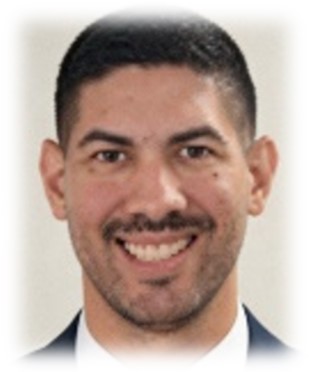
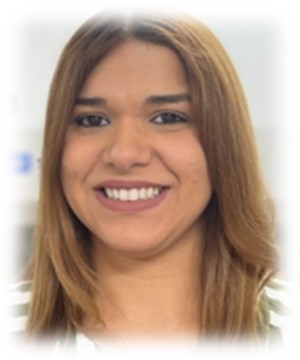
Carmen Ortiz, PhD (PHSU)
My research focuses on defining DNA methylation alterations in prostate tumors and liquid biopsies, as well as exosomal microRNAs that drive disease progression, metastasis, and therapy resistance in prostate cancer. Using primarily cell-based models, including docetaxel-resistant lines, 3D culture systems, and functional assays, my laboratory investigates the mechanistic role of epigenetic dysregulation while integrating complementary biospecimen resources from Puerto Rican patients to inform biomarker development. Participation in the U54 PHSU-MCC Partnership ESI Program has strengthened my research capacity by providing essential resources, collaborative opportunities, and targeted mentorship that support my long-term goal of establishing a leading translational epigenetics program in Puerto Rico.
Cristina Peña, PhD (PHSU)
As a licensed clinical psychologist and early-stage investigator, I have dedicated my career to bridging the gap between affective neuroscience and behavioral health. My research focuses on psycho-oncology, specifically examining how emotion regulation and grief processing intersect. Building on a foundation of community-engaged interventions and NIMHD-funded research on breast cancer survivors, I currently serve as a data concierge for the NIH-funded Mental Health CPR study. My recent work includes leading an RCMI-funded pilot to adapt Emotion-Focused Therapy for cancer populations, a critical step in my mission to develop integrated, evidence-based interventions that improve long-term outcomes for survivors.
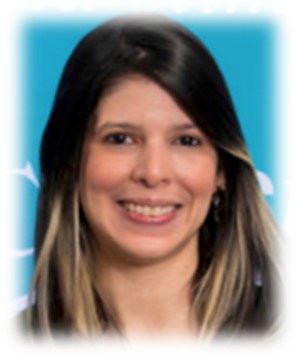

Marcos Ramos-Benitez, PhD (PHSU)
I am an Assistant Professor at Ponce Health Sciences University and a Research Health Scientist with the U.S. Department of Veterans Affairs. My research program focuses on understanding how neutrophils regulate immune responses across infectious, inflammatory, and chronic diseases. My laboratory integrates cellular immunology, molecular biology, and translational biomarker studies to investigate how neutrophil activation, differentiation, and the formation of neutrophil extracellular traps (NETs) influence disease progression.
My work spans multiple disease contexts, including severe viral infections, respiratory inflammatory diseases, and rare genetic disorders. My contributions include studies defining mechanisms of neutrophil activation, investigations of immune responses to dengue virus infection, and biomarker discovery efforts in pulmonary fibrosis associated with Hermansky–Pudlak syndrome. These efforts have contributed multiple peer-reviewed publications advancing the understanding of neutrophil biology and immune-mediated disease, including work published in journals such as Nature, Nature Immunology, Science Translational Medicine, and the Journal of Infectious Diseases. A current focus of my research explores how inflammatory signals can program innate immune cells through mechanisms related to trained immunity, particularly during neutrophil differentiation. My group is currently developing experimental models to understand how tumor-associated environments and cellular stress pathways reshape innate immune memory and influence neutrophil functional states. This work aims to identify mechanisms through which immune programming may contribute to disease pathology or be harnessed therapeutically.
Tiffany Rios Fuller, PhD (PHSU)
I am an assistant professor at Ponce Health Sciences University conducting independent research on how translational control drives high-risk breast cancer with a focus on non-canonical cap-dependent mechanisms. My Ph.D. and postdoctoral training laid strong mechanistic groundwork in signal transduction and mRNA translation, including the identification of selective translation initiation factors that modulate epithelial–mesenchymal transition (EMT) and metastasis. My lab investigates how eIF3h orchestrates oncogenic translational programs, enhancing EMT, autophagy, breast cancer stem cell phenotypes, stress adaptation, therapy resistance, and metastatic progression in triple-negative breast cancer (TNBC). The Early-Stage Investigator Program will be critical to my transition toward independence at an R01 level, offering structured mentorship, strategic guidance, and protected time to advance high-impact, clinically relevant translational research that will benefit patients with aggressive breast cancer.
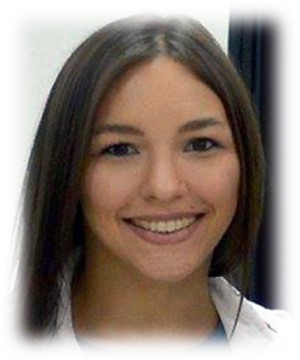
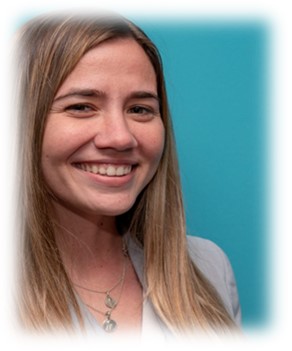
Normarie Torres Blasco, PhD (PHSU)
My long-term goal is to become an independent investigator specializing in the development, evaluation, and implementation of culturally tailored psychosocial interventions to reduce mental health disparities among patients with advanced cancer and their caregivers. My research program is grounded in psycho-oncology and implementation science, with a focus on improving access to evidence-based mental health care in underserved communities.
Over the past several years, I have developed a strong foundation in behavioral intervention research, supported by continuous funding from the National Institutes of Health and the American Cancer Society. My work has focused on understanding the psychosocial needs of patients with advanced cancer and their caregivers, as well as designing interventions that are both culturally responsive and feasible within real-world clinical settings. This work led to the development of the CASA (Caregivers-Patients Support to Coping with Advanced Cancer) intervention, a dyadic psychosocial program aimed at reducing distress and improving quality of life.
Through my current career development award, I am expanding this line of research by integrating behavioral and biological outcomes to evaluate the mechanisms through which psychosocial interventions impact distress. In parallel, I am gaining advanced training in Dissemination and Implementation (D&I) Science to ensure that CASA and similar interventions can be effectively adopted, implemented, and sustained in oncology care settings serving underserved populations.
My training environment provides a strong interdisciplinary foundation, with mentorship in psycho-oncology, implementation science, and clinical research. These experiences are strengthening my skills in grant writing, clinical trial design, and leadership, positioning me to transition successfully to R01-level funding. Additionally, my work is deeply embedded in community partnerships, which enhances the relevance, reach, and impact of my research.
Overall, my research program aims to bridge the gap between intervention development and real-world implementation, ensuring that patients with advanced cancer and their caregivers—particularly those in underserved communities—have access to culturally appropriate, evidence-based psychosocial care.