
Other Initiatives
Cancer in Our Community Podcasts
In collaboration with Moffitt’s Office of Community Outreach & Engagement (COE), the U54 PHSU-MCC Partnership has developed podcasts that translate cancer education and programmatic expertise into accessible, engaging content for our catchment area populations. This collaboration brings together COE’s strengths in strategic communication and dissemination with the U54 Partnership’s subject-matter expertise, ensuring that each podcast episode is both clinically grounded and broadly relevant. Together, COE and U54 aim to amplify key messages, share best practices, and expand the reach and impact of their work through a modern, scalable audio platform.
- Episode: "La educación es poder" with Dr. Sarimar Agosto and Mrs. Brenda Ramos, September 2025
- Episode: "Creando Víniculos" with Mrs. Brenda Ramos, September 2024
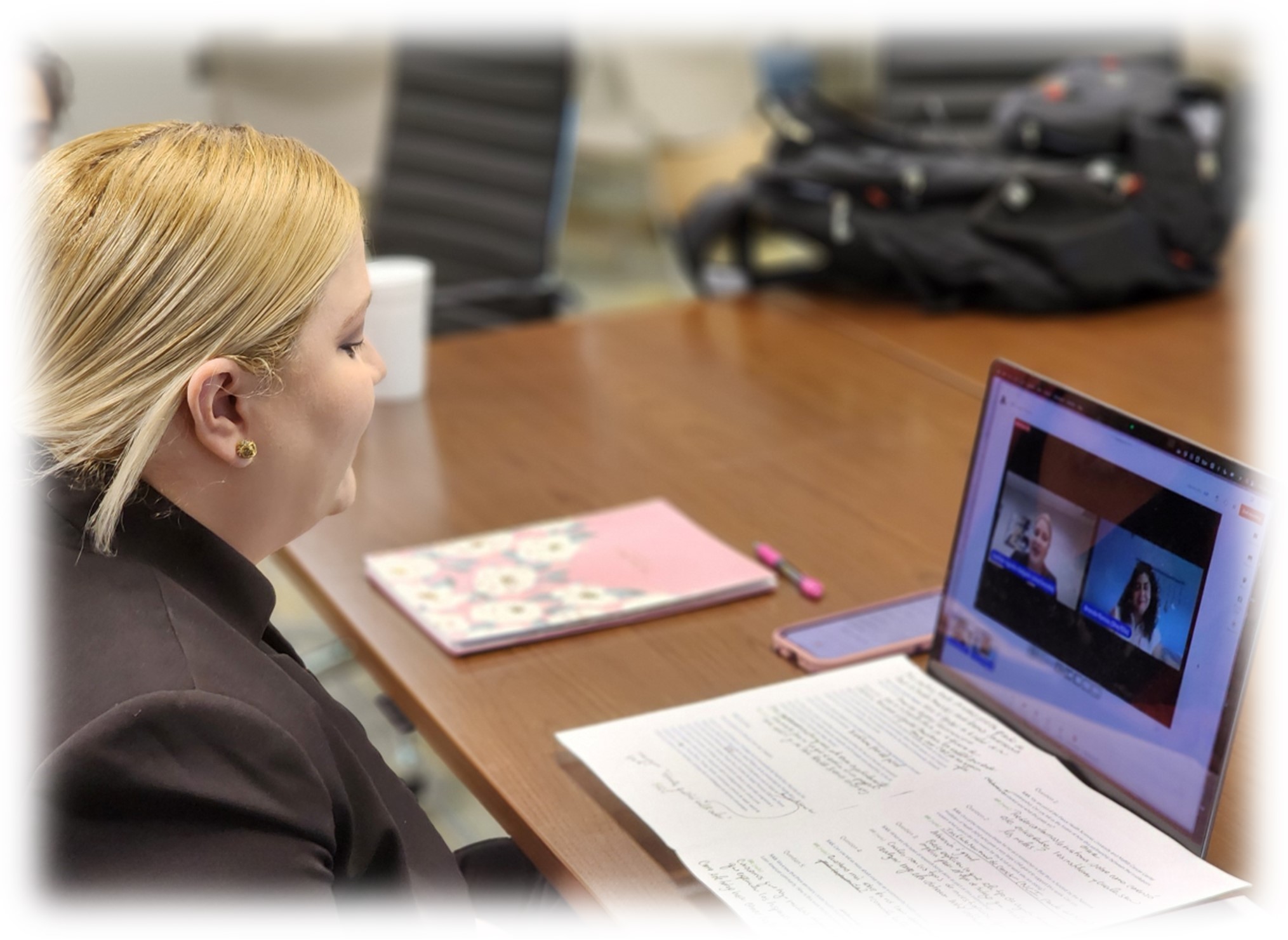
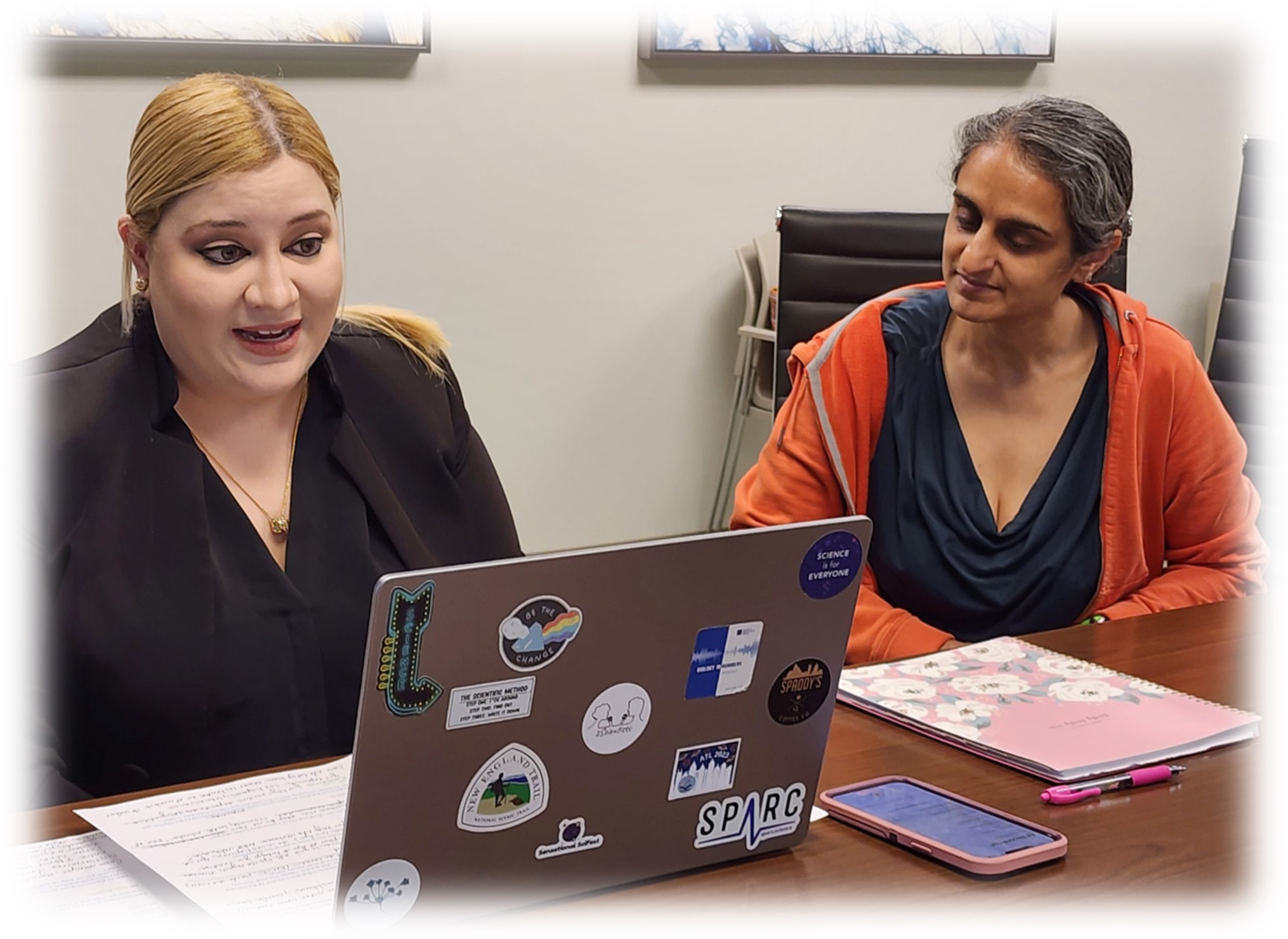
Community Engagement (CE) Workshops
Community Engagement has proven to be an effective strategy to understand community health needs and facilitate co-learning between community members and researchers to identify strategies to reduce inconsistent access to health. To maximize the benefits of the CE approach, it is essential to foster trust and deep and mutually beneficial partnerships between community members and researchers. To achieve this, the team will enhance researchers’ skills in applying CE strategies to their research and facilitating collaboration among community and researchers.
Cancer 101
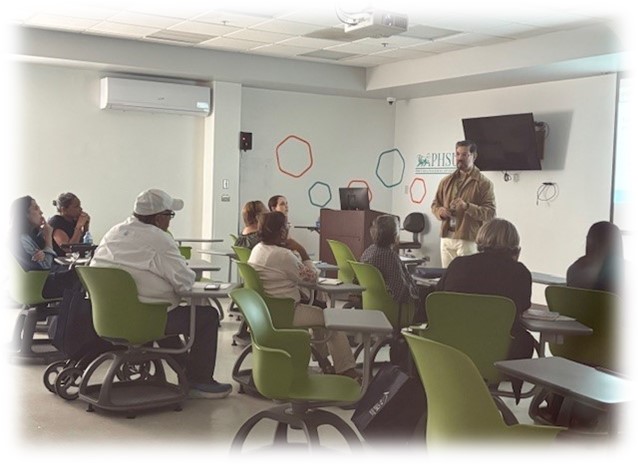
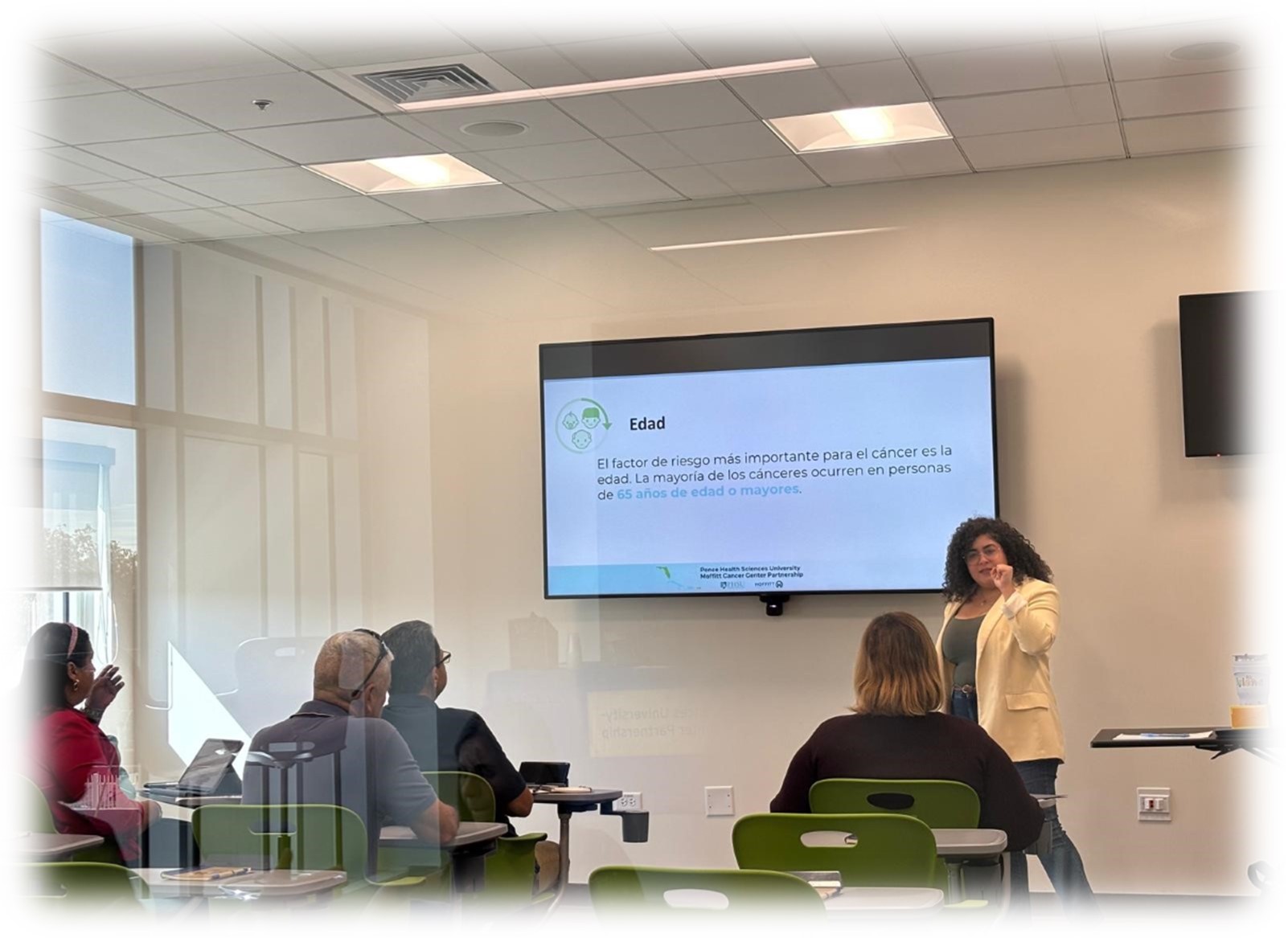
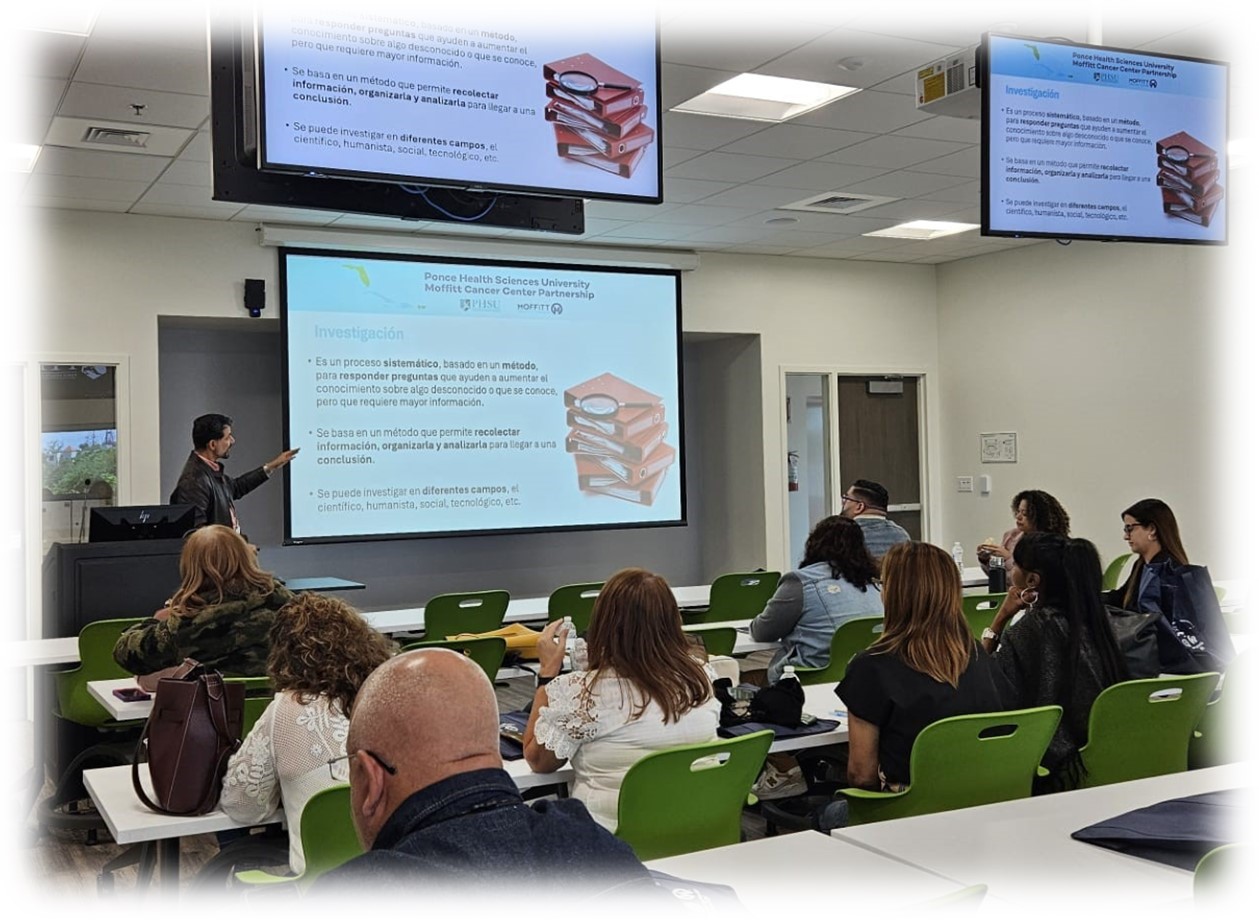
Cancer 101 was originally designed as an NCI-funded cancer education program targeted to American Indian and Alaska Native community members. Cancer 101 has increased cancer knowledge, positive attitudes toward preventive behaviors, and cancer control behaviors in populations where implemented. The OC team adapted the Cancer 101 Spanish version to ensure cultural awareness and an appropriate literacy level in the social context of our catchment areas in FL and PR. The Cancer 101 Spanish version consists of 11 modules that address cancer control and prevention, risk factors, early detection and screening guidelines, cancer diagnosis and stages, cancer treatment, cancer and genetics, cancer and chronic disease, patient and caregiver support, HPV, biobanking, and clinical trials.
Cancer 101 Training
The Cancer 101 training program prepares students to deliver cancer education in local communities, and is regularly offered as an elective in the Ponce Health Sciences University Public Health Program. Expected outcomes include increasing knowledge about cancer and prevention among community members attending the charlas, increasing the number of community members who engage in conversations about cancer, expanding the Partnership’s reach.
Cancer Cientouno Website - Coming soon
The Cancer Cientouno website provides the opportunity to acquire knowledge to impart cancer prevention education and skills necessary to disseminate educational information. The stakeholders include nurses, community health educators, clinical social workers, etc. The team expects to create sustainability of cancer awareness and prevention among communities. This virtual training is self-paced. The 12-15 weeks training program will cover all 11 modules in the Cancer 101 curriculum to learn about content, facilitation techniques, and skills to disseminate educational information and evaluate the impact of the training.
Community Based Training Program (CBTP)
The CBTP provides the opportunity to acquire knowledge to impart cancer prevention education (Cancer 101) and skills necessary to disseminate educational information. The team expects to impact community leaders from under supported socioeconomic areas as well as high interest individuals of healthcare organizations with whom the Program has established previous collaborative relationships. The stakeholders include nurses, community health educators, clinical social workers, etc. The team expects to create sustainability of cancer awareness and prevention among communities. The training will be provided via multiple modalities (in-person and remote) to increase participation. The one-day training program will cover modules in the Cancer 101 curriculum to learn about content, facilitation techniques, and skills to disseminate educational information and evaluate the impact of the training.