
The Research Education Core established scholarships to support senior PhD students in PHSU graduate programs and post-doctoral fellows at MCC. This program provides enhanced career development in support of their progress to becoming independent investigators.
PhD Students Career Development:
Senior PHSU PhD graduate students in the Biomedical Sciences, Psychology PhD, or Public Health PhD programs with an anticipated 18 to 24 months to graduation are eligible to apply for the 1-year PHSU-MCC Graduate Career Development Scholarship. The REC provides selected students year-round research and career development mentoring in addition to collaboration with their existing dissertation committee. The students also carry out a 4-week research rotation in an MCC laboratory aligned with the student’s thesis project and have the opportunity to present their work at a national conference. Our primary goal is to provide tools and networking to build a pathway for PHSU PhD students to transition into competitive post-doctoral positions in cancer research.
Applicants will be recruited during the summer with the awards starting each September 1. Interested applicants must submit the following:
- - Letter of purpose indicating their intent to pursue a post-doctoral position in a cancer-related field
- - Two-page synopsis of their research
- - Curriculum Vitae
- - Transcripts
- - Letter of support from their research mentor
If interested, please contact Maria Elena Aviles for more information.
Post-doctoral Fellows Career Development:
Recruitment for the PHSU-MCC Post-doctoral Career Development Scholarship is directed towards institutes with relevant PhD programs, F31 awardees and T32 directors of pre-doc supporting grants. Recent graduates, graduating PhD students, and former REC trainees are highly encouraged to apply. The REC provides selected fellows annual salary supplement in addition to the mentor provided post-doctoral NIH scale base salary plus support for travel to scientific conferences. During the 2-years, we emphasize four key areas of support for the fellows: mentorship, grantsmanship skills, communication skills and community engagement. In addition, the fellows have access to a wide range of career and life skills seminars provided by the Moffitt Office of Post-doctoral Affairs. Our primary goal is to accelerate career development and enhance transition to independent cancer research positions of promising post-doctoral fellows.
Interested applicants must submit the following:
- - Letter of purpose indicating their intent to pursue an independent research position in a cancer-related field
- - Two-page synopsis of their research
- - Curriculum Vitae
- - Transcripts
- - Letter of support from their research mentor and two additional research faculty
- - Evaluations by MCC faculty from the in-person visit
- - An offer to hire the fellow from at least one faculty member.
If interested, please contact Yairí Rivera-Torgerson for more information.
Current Scholarship Recipients
Gretchen Albarran (PHSU Pre-doc)
As a 3-year PhD candidate under the mentorship of Dr. Harold I. Saavedra-Lugo, Gretchen M. Albarran-Acosta evaluates if resistant triple-negative breast cancer (TNBC) cells may be responsive/sensitive to combination treatment of CDK4/6 inhibition, with Palbociclib, and mitotic kinase TTK inhibition. She measures the effects of the combination treatment on cell cycle progression of TNBC cell lines in the Biomedical Sciences Program from the Ponce Health Sciences University, Puerto Rico. Throughout her graduate studies, Gretchen has had the opportunity of presenting her research project at multiple local, national and international conferences. In addition, she has been awarded local fellowships, international travel awards and, since last October, the PHSU–MCC Graduate Career Development Scholarship. During Gretchen’s rotation in the upcoming months of June and July, she will be working under the mentorship of Dr. Alvaro Monteiro where she will be trained in issues related to analysis of variants of uncertain clinical significance found in cancer predisposition gene BRCA1. Once Gretchen finishes her doctorate degree, her goals are to do a post-doctorate and move to an industry position where she could lead investigations developing novel therapeutics for cancer patients. With this scholarship opportunity, Gretchen hopes to expand her critical thinking skills, while associating genetic aspects of cancer predisposition with her research on cell cycle progression. Finally, this opportunity will not only provide Gretchen with additional mentorship and guidance for her research project and career development. It will also deepen the bridge between the molecular aspects of her project and patient care and outcomes, facilitating the translation of molecular findings into clinical innovations that enhance personalized care and therapeutic efficacy.

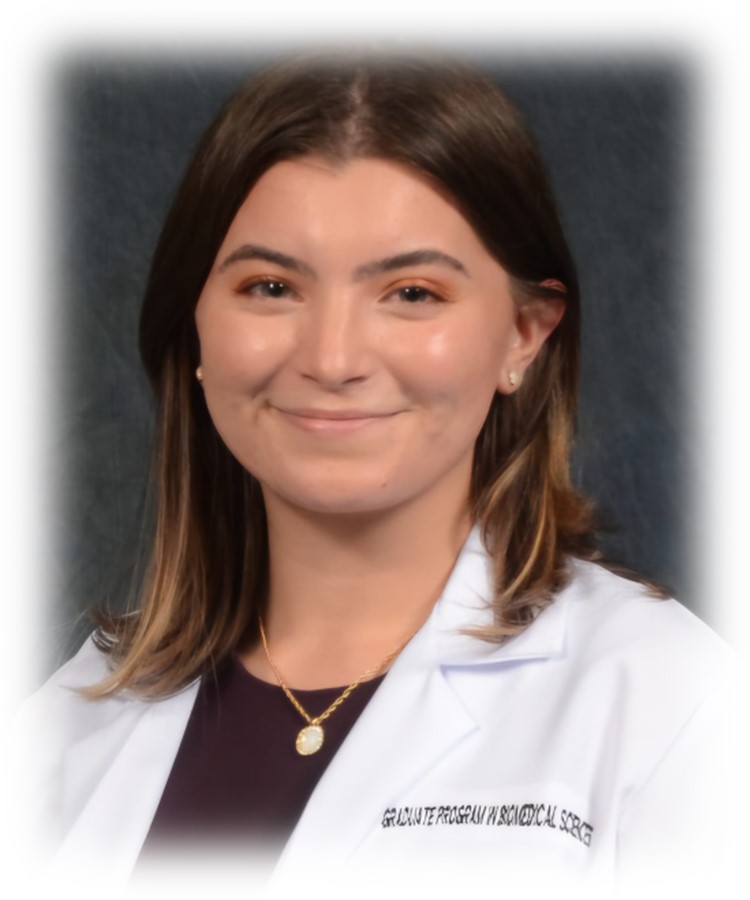
Luinet Melendez (PHSU Pre-doc)
Luinet Lee Melendez-Rodriguez, BS is a PhD candidate in Biomedical Sciences at Ponce Health Sciences University, where she conducts research under the mentorship of Dr. Guillermo Armaiz. Her research focuses on understanding how chronic stress reshapes neuroimmune interactions in ovarian cancer and contributes to behavioral and affective outcomes. Using preclinical ovarian and stress models, she investigates how stress-driven immune dysregulation, neuroinflammation, influence tumor progression, blood–brain barrier integrity, microglial activation, and alterations in brain function and behavior. Luinet's work aims to better characterize the bidirectional communication between the immune and central nervous systems in cancer-associated neuropsychiatric symptoms. She is also a 2025-2026 recipient of the PHSU-MCC Graduate Career Development Scholarship through the PHSU–MCC Partnership. Beyond research, she is passionate about scientific communication and visual design.
Jordana Azevedo Martins (MCC Postdoctoral)
Coming Soon
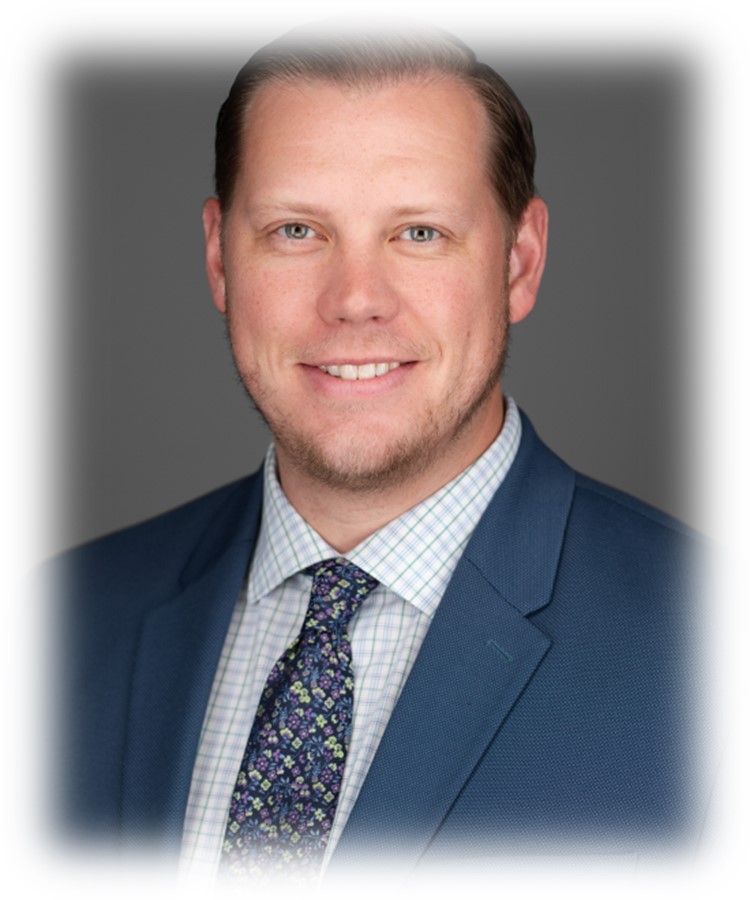
Brian Rodemoyer (MCC Postdoctoral)
Brian Rodemoyer, PhD joined the PHSU–MCC Partnership in November 2025 as a recipient of the PHSU-MCC Postdoctoral Career Development Scholarship. He began his postdoctoral training at Moffitt Cancer Center in September 2025 in the laboratory of Dr. Alvaro Monteiro within the Cancer Epidemiology Program. In the Monteiro lab, Dr. Rodemoyer leads multiple projects spanning genetic and molecular epidemiology as well as fundamental studies of the human RECQL4 DNA helicase. His epidemiological research focuses on functionally characterizing RECQL4 Variants of Uncertain Significance (VUS) to define their impact on cancer risk and disease aggressiveness. In parallel, his mechanistic work investigates the genetic and biochemical interactions between RECQL4, ADP-ribose, PARP1, and PARP inhibitors. His research is guided by three primary aims: (i) to map the binding sites of ADP-ribose and PARP1 on RECQL4, (ii) to define the role of RECQL4 in ADP-ribosylation signaling, and (iii) to elucidate how RECQL4 modulates cellular sensitivity to PARP inhibition. Dr. Rodemoyer’s overarching goal is to define the mechanistic role of RECQL4 in cancer biology, with the long-term aim of identifying targetable vulnerabilities that can be translated into novel therapeutic strategies for patients with RECQL4-associated cancers.
Former Scholarship Recipients
Joel Orengo (PHSU Pre-doc)
Joel A. Orengo Orengo, MS is currently a PhD candidate (4th year) in the Biomedical Sciences Program at Ponce Health Sciences University. Under the mentorship of Dr. Saavedra, he studies mitotic kinases as potential therapeutic targets in triple-negative breast cancer (TNBC), specifically in women of African ancestry. As a PhD student, he has presented his research project at various local and national conferences. In 2024, Joel was awarded the PHSU-MCC Graduate Career Development Scholarship. Being a recipient of this fellowship allowed him not only to advance his research project but also to build connections with other researchers in the field at Moffitt Cancer Center. Therefore, it helped Joel grow professionally by equipping him with the tools he needed to become a strong researcher and a competitive applicant for a postdoctoral position. Joel’s future plans include pursuing a postdoctoral degree in cancer research to continue his studies and develop novel biological therapies for TNBC.
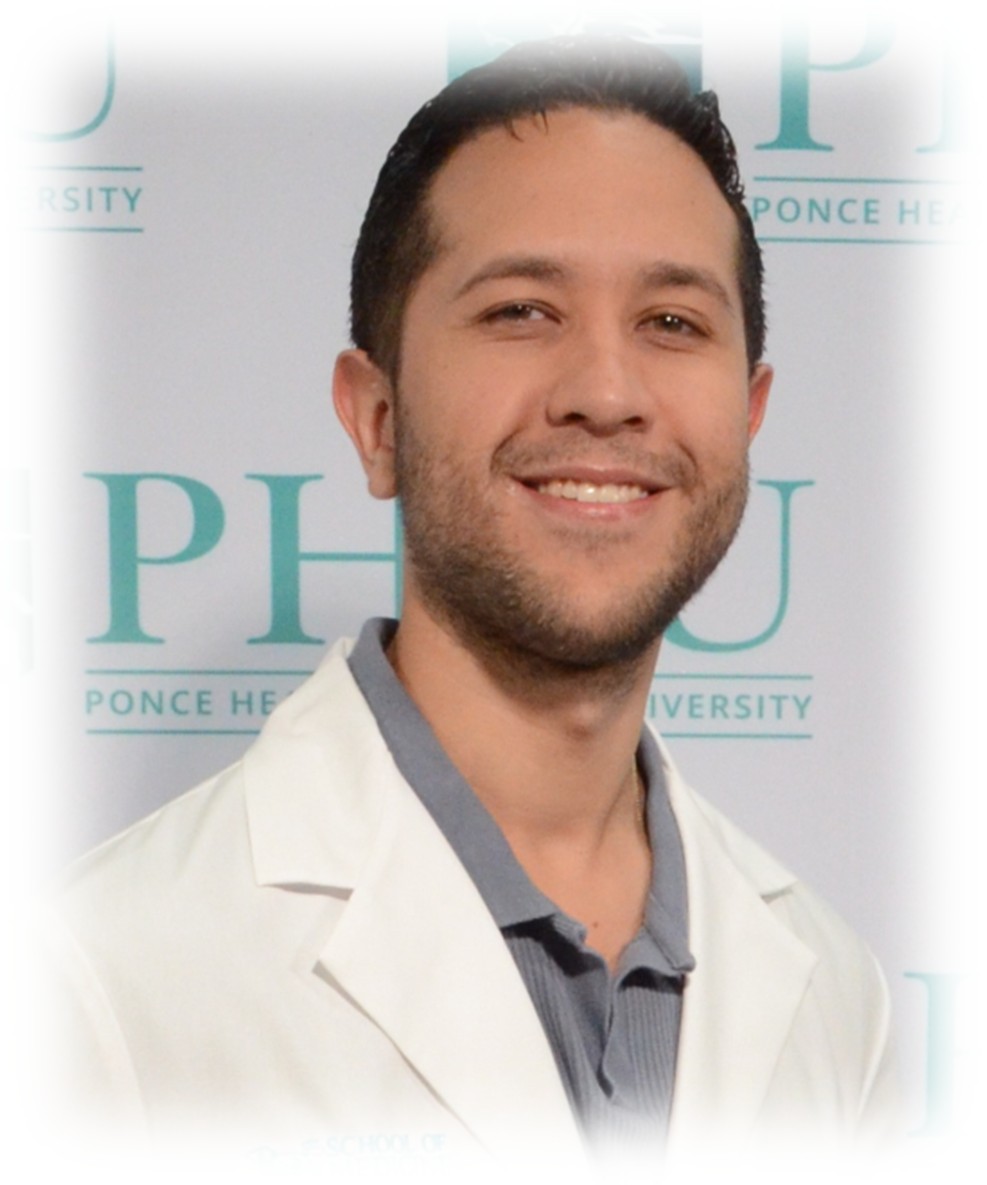
2024-2025 Recipient
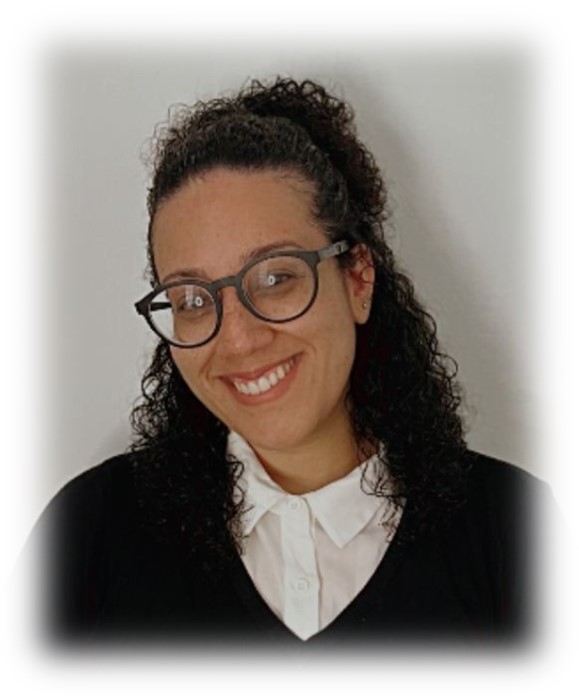
2024-2025 Recipient
Lianel Rosario (PHSU Pre-doc)
Lianel Rosario, MS, is a predoctoral fellow in psycho-oncology and a clinical psychology doctoral student at Ponce Health Sciences University. Following completion of the PHSU-MCC Graduate Career Development Scholarship, her work has focused on developing and evaluating culturally grounded interventions to support Hispanic patients with cancer and their caregivers, with a particular emphasis on preparedness for end-of-life care. Her research integrates clinical psychology, health disparities, and implementation science to improve psychosocial outcomes in underserved populations. Looking ahead, Lianel plans to continue advancing this work through grant-funded research and the development of scalable, culturally responsive interventions. The U54 scholarship was instrumental in shaping her career by providing mentorship, interdisciplinary training, and opportunities to refine her research focus, ultimately strengthening her commitment to addressing disparities in cancer care.
Joshua Rivera-Custodio (PHSU Pre-doc)
Joshua J. Rivera-Custodio is a clinical psychology PhD student and research assistant in the HER Lab who concluded the PHSU-MCC Graduate Career Development Scholarship in 2024. He continues to work under the mentorship of Dr. Alíxida Ramos-Pibernus (PHSU) and Dr. Matthew Schabath (MCC) as the project coordinator for the CC-TRAINED pilot, a medical education intervention designed to enhance gender-affirming preventive cancer care. Joshua also participated in the 4th Annual NIH-funded SGM Cancer Care Workshop, where he further advanced his training in community-engaged research. Currently, he is completing his APA-accredited predoctoral clinical internship at the PHSU Wellness Center/DBT Program. In August 2026, Joshua will begin his postdoctoral training with Francisco Cartujano-Barrera at the University of Rochester, Medical Center; where he will support with the development and implementation of smoking cessation interventions for Latino populations. The PHSU-MCC Partnership Graduate Career Development Scholarship played a pivotal role in Joshua’s professional development by providing mentorship, research training, and opportunities to engage in health equity and community-based cancer research focused on underserved populations.
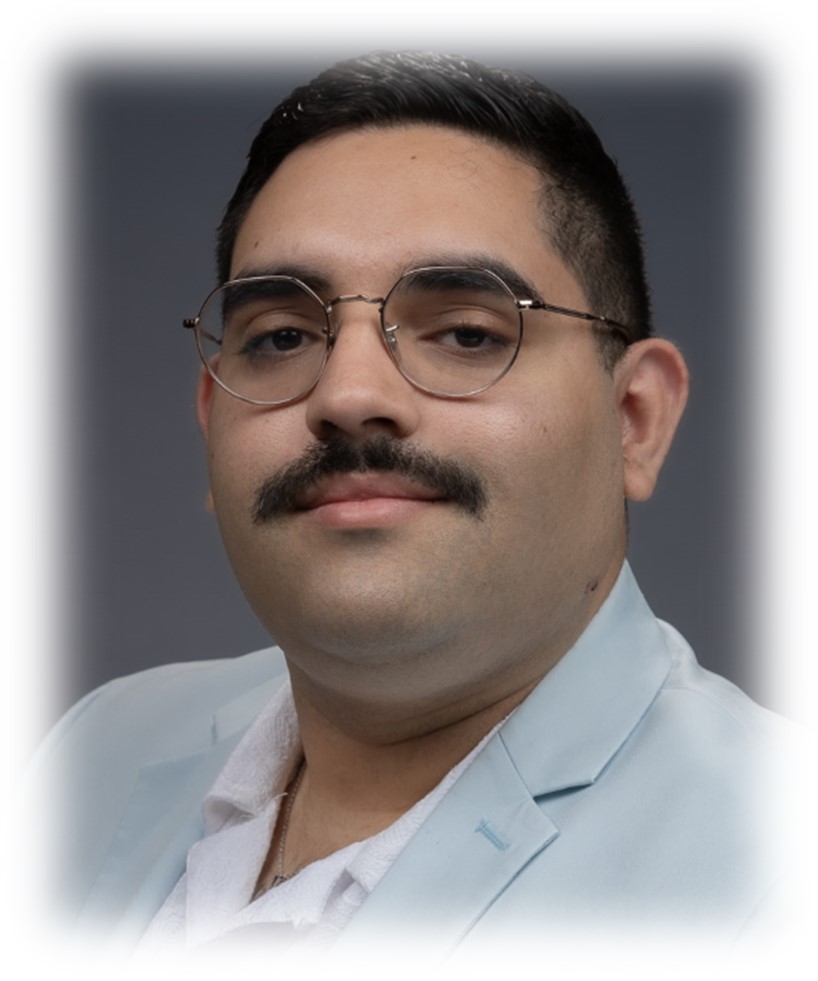
2023-2024 Recipient

2023-2024 Recipient
Yadiel Rivera, PhD (PHSU Pre-doc)
Yadiel Alejandro Rivera-López, PhD, earned his PhD in the Biomedical Sciences program within the Pharmacology Division at Ponce Health Sciences University, as well as the Cancer Division at the Ponce Research Institute in Ponce, PR. He worked under the mentorship of Dr. Guillermo Armaiz in the Armaiz Lab for Cancer Psychoneuroimmunology. Dr. Rivera's research focused on understanding the effects of chronic stress on Myeloid-Derived Suppressor Cells (MDSCs) and the Notch signaling pathway in the ovarian tumor microenvironment. In addition to his didactic and bench work, he was involved in outreach activities as the former president of the Graduate Student Association in Biomedical Sciences and as the Ph.D. representative for both the Oncology Interest Group and the LGBTQ+ Professional Health Interest Group at PHSU. Through his participation in these organizations, he became more active in assisting underserved communities and raising awareness about the significance of research among his fellow Hispanic, Latin, LGBTQ+, and other minority community members. Dr. Rivera will be joining Amgen in Thousand Oaks, California, as a Scientist focused on in vivo pharmacology. The U54 scholarship was instrumental in his professional development, providing invaluable research opportunities, mentorship, and collaborative experiences that helped prepare him for a career in translational cancer research.